The Ultimate Guide to Bike Accessories for Kids: Safety, Fun, and Everything In Between
Getting your child into cycling is one of the best gifts you can give them – it’s exercise, independence, and pure fun all rolled into one. But before your little one hits the road (or bike path), you’ll want to make sure they’re properly equipped with the right bike accessories. From essential safety gear to fun add-ons that’ll make every ride an adventure, we’ve got you covered with this comprehensive guide to bike accessories for kids.
Why Bike Accessories Matter for Young Cyclists
Let’s be honest – kids aren’t always the most cautious creatures on the planet. They’re learning, exploring, and sometimes that means taking a tumble or two. The right bike accessories don’t just keep them safe; they build confidence, make cycling more enjoyable, and give you peace of mind as a parent. Plus, many safety accessories are legally required in Australia, so it’s not just about being careful – it’s about following the law.
Essential Safety Gear: The Must-Haves
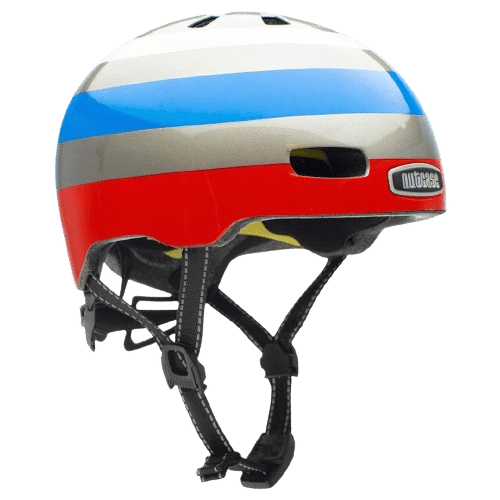
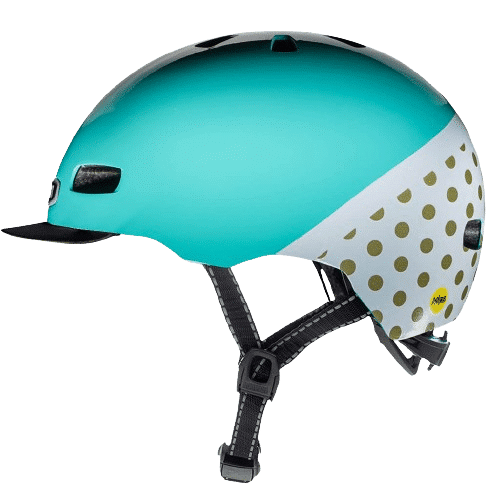
Kids Bike Helmets: Your Child’s First Line of Defence
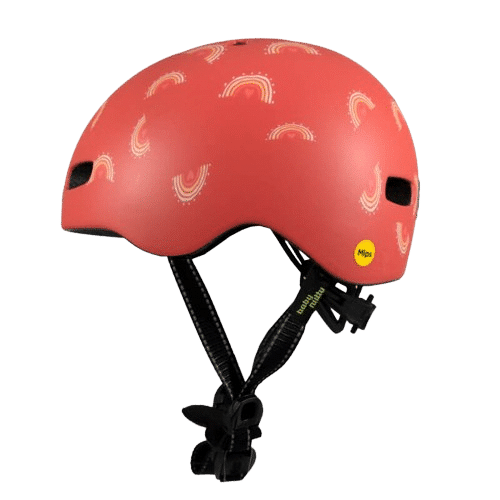
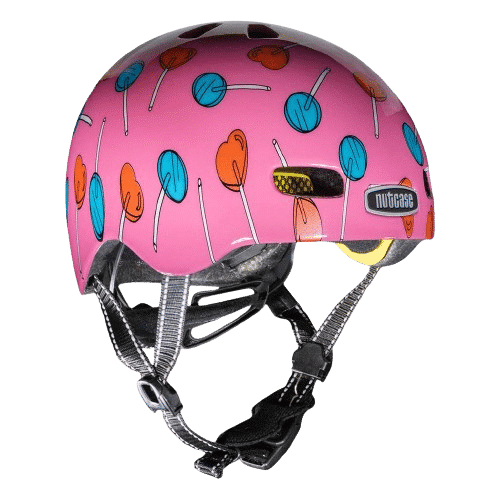
In Australia, bike helmets aren’t optional – they’re the law. Every cyclist, regardless of age, must wear an approved helmet that meets Australian standards (AS/NZS 2063). But beyond legal requirements, a properly fitted helmet is your child’s most important piece of safety equipment.
When choosing a helmet, measure your child’s head circumference just above the eyebrows and ears. The helmet should sit level on their head – not tilted back like a cap or forward over their eyes. You should be able to fit one finger between the chin strap and your child’s chin, and the helmet shouldn’t budge when your child shakes their head.
Don’t just grab any helmet off the shelf. Look for bright colours or fun designs that your child actually wants to wear. After all, the best helmet is the one that stays on their head! And remember, helmets need replacing after any significant impact or every 3-5 years due to material degradation.
Bike Lights and Reflective Gear
Visibility is crucial, especially during those early morning school rides or late afternoon adventures. LED bike lights are active light sources that make your child visible from much greater distances than reflective gear alone. Front lights should be white, rear lights red, and both should be bright enough to be seen in daylight.
But don’t stop at lights – reflective gear adds an extra layer of safety. Reflective stickers on the bike frame, reflective strips on clothing, or even a high-vis vest can make a massive difference. The key is using both LED lights and reflective accessories together for maximum visibility.
Protective Padding and Gloves
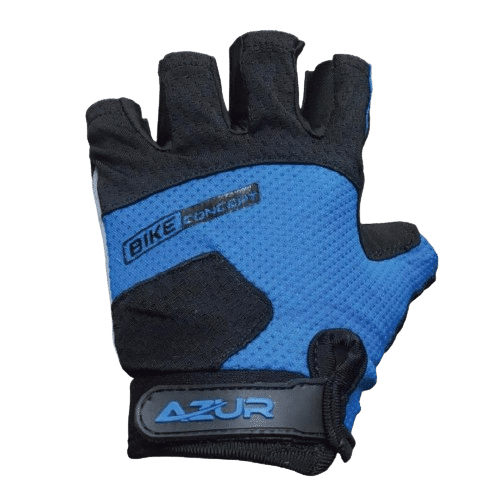
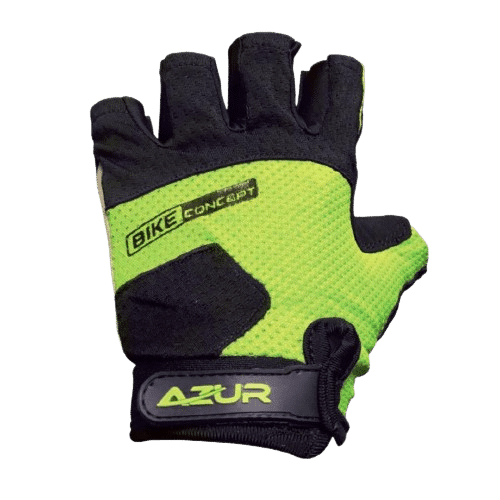
While not legally required, protective gear can prevent injuries and boost confidence, especially for beginners. Children’s bike gloves with padded palms reduce pressure on small hands and provide better grip on the handlebars. Look for breathable materials with adjustable wrist closures, and choose bright colours for added visibility.
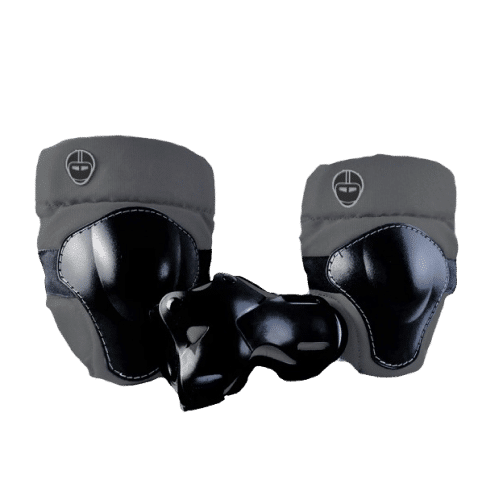
Knee and elbow pads are brilliant for kids who are still mastering their balance or learning new skills. They’re particularly useful during the training wheel phase or when transitioning to a bigger bike.
Learning and Confidence Building Accessories
Training Wheels and Bike Stabilisers
Here’s where things get interesting – there’s actually a difference between training wheels and stabilisers, though many people use the terms interchangeably. Traditional training wheels touch the ground continuously, while stabilisers are set slightly higher, only touching down when the bike leans too far.
Most children’s bikes can accommodate these learning aids, but check that your bike has the proper mounting points near the rear axle. They work best on bikes with 12-20 inch wheels. The trick is adjusting them so the bike leans slightly – this encourages your child to learn balance rather than relying entirely on the extra wheels.
Child Bike Seats and Safety Equipment
If you’re planning family rides with younger children who aren’t quite ready for their own bike, a child bike seat is essential. You’ve got two main options: rear-mounted seats (more common and stable) or front-mounted seats (better for interaction and supervision).
Most child bike seats accommodate kids between 20-25kg, but always check manufacturer specifications. Look for seats with proper safety harnesses, adjustable footrests, and comfortable padding. And yes, your passenger needs a helmet too – the law applies to all bike riders, regardless of whether they’re pedalling or just along for the ride.
Fun and Functional Add-Ons
Storage Solutions
Kids accumulate stuff – it’s just what they do. A children’s bike basket or bag gives them somewhere to stash their treasures, school gear, or that essential water bottle. Front baskets are great for easy access, while rear bags offer more space without interfering with steering.
Speaking of water bottles, a kids bike water bottle holder is practically essential for longer rides. Dehydration happens quickly with active children, and having water easily accessible encourages regular drinking.
Sound and Style Accessories
Here’s where the fun really starts. A bike bell isn’t just entertaining – it’s often legally required in most Australian states. Bicycles must have a working bell, horn, or similar warning device, so you might as well choose one your child loves.
Beyond the practical stuff, let your child’s personality shine through with colourful decorations, streamers for the handlebars, or spoke decorations that create patterns when the wheels turn. These accessories don’t improve safety, but they make cycling more appealing to kids, which means more time on the bike and more skill development.
Age-Specific Recommendations
Toddler Bike Accessories (Ages 2-4)
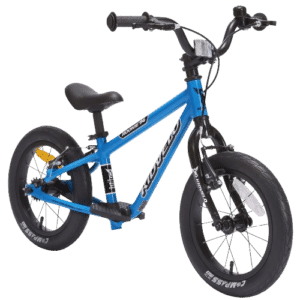
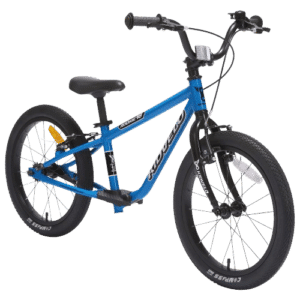
Toddlers on balance bikes need different considerations than older children. Focus on a properly fitted helmet as your top priority – this is non-negotiable. Knee pads are brilliant for toddlers who are still learning balance and might take frequent tumbles.
Keep accessories lightweight and simple. A small bell for fun, maybe some colourful handlebar streamers, but avoid anything that might interfere with learning balance. Training wheels aren’t needed (or possible) on balance bikes – that’s rather the point!
School-Age Children (Ages 5-12)
Once kids are riding independently, their accessory needs expand. They’ll need everything for safe road riding: helmet, lights, reflectors, and a bell. Consider adding a small bag or basket for school items, and definitely include a water bottle holder.
This is also the age where kids start developing preferences, so involve them in choosing colours and styles. A child who loves their gear is more likely to use it consistently.
Maintenance and Care Tips
Even the best bike accessories won’t help if they’re broken or poorly maintained. Clean accessories regularly with mild soap and water, and check mounting hardware for tightness. Inspect items for wear, damage, or fading that might affect visibility.
Store gear in a dry place to prevent rust and deterioration. Replace batteries in lights regularly – there’s nothing worse than discovering dead lights when you need them most. And teach your kids to do basic checks too – it’s part of learning responsibility.
Budget-Friendly Shopping Tips
Let’s be real – kids grow fast, and their interests change even faster. You don’t need to buy the most expensive everything, but don’t skimp on safety essentials like helmets and lights. These items should meet Australian safety standards regardless of price point.
For fun accessories, let your budget be your guide. Kids often care more about colours and designs than fancy features. Shop end-of-season sales, check out second-hand options for non-safety items, and remember that simple can be just as effective as complex.
Teaching Kids About Bike Safety
The best accessories in the world won’t help if kids don’t understand why they’re important. Make safety gear part of the adventure, not a chore. Explain how each piece protects them using terms they understand, and always model good behaviour by wearing your own safety gear.
Create a pre-ride safety check routine together. Check that helmets are properly fitted, lights are working, and everything is secure. This builds good habits and helps kids take ownership of their safety.
Creating Positive Cycling Experiences
Remember, the goal isn’t just safety – it’s fostering a lifelong love of cycling. The right accessories can boost confidence, prevent injuries that might put kids off cycling, and simply make rides more enjoyable.
Don’t overwhelm young riders with too many accessories at once. Start with the essentials and add fun extras gradually. Let kids have input into choices where safety isn’t compromised – a child who chose their own colourful helmet is more likely to wear it without complaint.
Frequently Asked Questions
What age range are bike accessories for kids designed for?
Kids’ bike accessories typically cater to children from 18 months (for balance bikes) up to around 12-14 years old. Most accessories are designed with adjustable features to accommodate growing children, though specific items like helmets and protective gear should be sized appropriately for each age group.
Are bike helmets mandatory for children in Australia?
Yes, bike helmets are mandatory for all cyclists in Australia, regardless of age. Children must wear an approved helmet that meets Australian standards (AS/NZS 2063) whenever they’re riding a bike, including on bike paths, roads, and even in parks.
How do I choose the right size helmet for my child?
Measure your child’s head circumference just above the eyebrows and ears. The helmet should sit level on their head, not tilted back or forward. You should be able to fit one finger between the chin strap and your child’s chin, and the helmet shouldn’t move when your child shakes their head.
What safety accessories are essential for kids’ bikes?
The absolute essentials are a properly fitted helmet, working brakes, and reflectors or lights for visibility. Additional recommended items include a bell or horn, reflective clothing or stickers, and protective padding for beginners who are still learning balance.
Can I fit training wheels to any children’s bike?
Most children’s bikes can accommodate training wheels, but you’ll need to check that your bike has the proper mounting points near the rear axle. Training wheels work best on bikes with 12-20 inch wheels and should be adjusted so the bike leans slightly towards learning to balance.
How often should I replace my child’s bike helmet?
Replace your child’s helmet immediately after any significant impact, even if there’s no visible damage. Otherwise, helmets should be replaced every 3-5 years due to material degradation, or sooner if your child outgrows it or if the foam becomes compressed.
What’s the difference between LED and reflective bike lights?
LED lights are active light sources that make your child visible from much greater distances, especially in low light conditions. Reflective accessories only work when light hits them from another source. For maximum safety, use both LED lights and reflective gear together.
Are bike bells required by law for children’s bicycles?
In most Australian states, bicycles must have a working bell, horn, or similar warning device. This applies to children’s bikes too, so a bike bell isn’t just courteous—it’s often legally required for riding on bike paths and roads.
How do I maintain kids’ bike accessories properly?
Clean accessories regularly with mild soap and water, check mounting hardware for tightness, and inspect items for wear or damage. Store gear in a dry place to prevent rust and deterioration. Replace batteries in lights regularly and check that all moving parts work smoothly.
What’s the best way to teach children about bike safety gear?
Make safety gear part of the fun by letting kids choose colours and designs they like. Explain how each piece protects them using simple terms, demonstrate proper use, and always model good behaviour by wearing your own safety gear. Create a pre-ride safety check routine together.
Can bike accessories help improve my child’s confidence whilst cycling?
Absolutely! Training wheels and stabilisers help children learn gradually, while safety gear gives both kids and parents peace of mind. Fun accessories like colourful helmets, bells, and baskets can make cycling more enjoyable, encouraging kids to ride more often and build their skills.
Which bike accessories are suitable for toddlers on balance bikes?
For toddlers on balance bikes, focus on a properly fitted helmet, knee pads for protection during falls, and perhaps a small bell for fun. Avoid training wheels (not needed for balance bikes) and choose lightweight, adjustable accessories that won’t interfere with learning balance.
How do I know if bike accessories are properly installed?
Check that all bolts and fasteners are tight, accessories don’t interfere with steering or braking, and nothing wobbles or moves when it shouldn’t. For helmets, ensure proper fit as described above. When in doubt, visit your local bike shop for a safety check.
What should I look for in kids’ bike gloves?
Look for gloves with padded palms to reduce pressure on small hands, breathable materials to prevent sweating, and adjustable wrist closures for a secure fit. Choose bright colours for visibility, and ensure the gloves don’t interfere with your child’s ability to operate brakes and gears.
Are there weight limits for children’s bike carriers and seats?
Yes, most child bike seats have weight limits between 20-25kg, while bike trailers typically accommodate up to 45kg total. Always check manufacturer specifications and ensure your bike can handle the additional weight. Consider your child’s height as well as weight when choosing carriers.
Ready to Get Your Child Cycling?
Choosing the right bike accessories for your child doesn’t have to be overwhelming. Start with the safety essentials – a properly fitted helmet, appropriate lights, and any legally required items like bells. From there, add accessories that match your child’s age, skill level, and interests.
Remember, the best bike accessories are the ones that get used consistently. Involve your child in the selection process where possible, prioritise comfort and proper fit, and don’t forget that cycling should be fun. With the right gear and a focus on safety, you’ll be setting your child up for years of happy, confident cycling adventures.
Safe riding, and enjoy watching your little one discover the joy of two wheels!