The Ultimate Guide to Blue Balance Bikes: Choosing the Perfect First Ride
Blue Balance Bikes: How They’re Revolutionizing Early Childhood Cycling
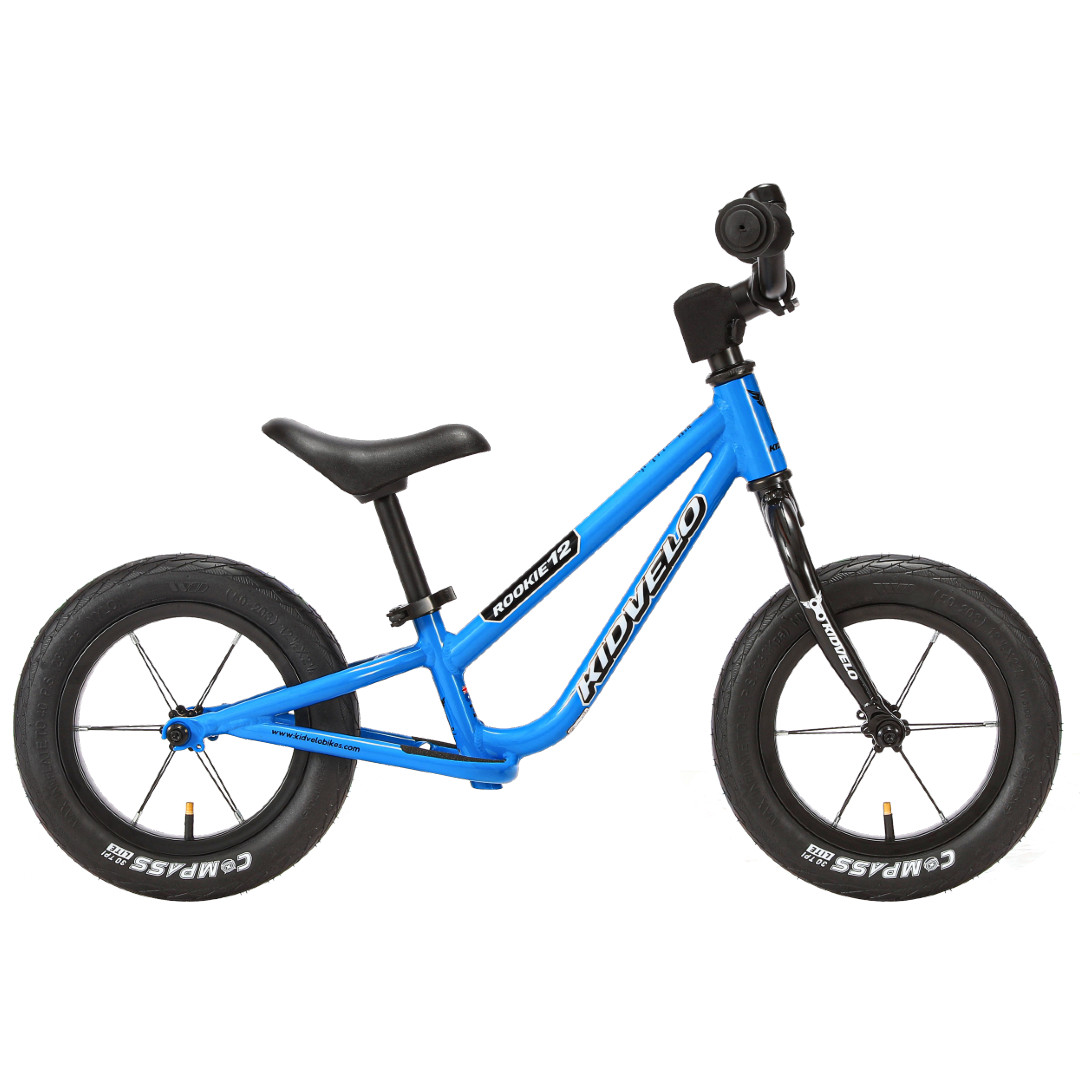
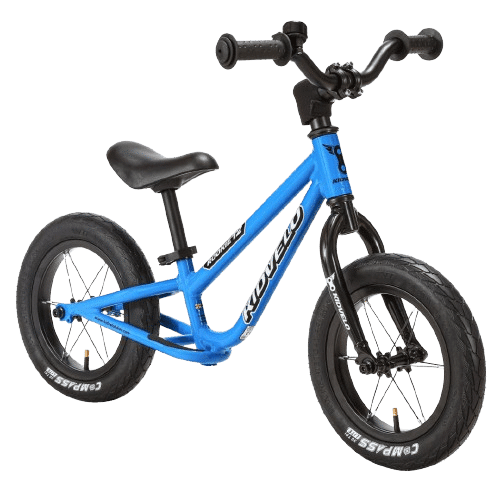
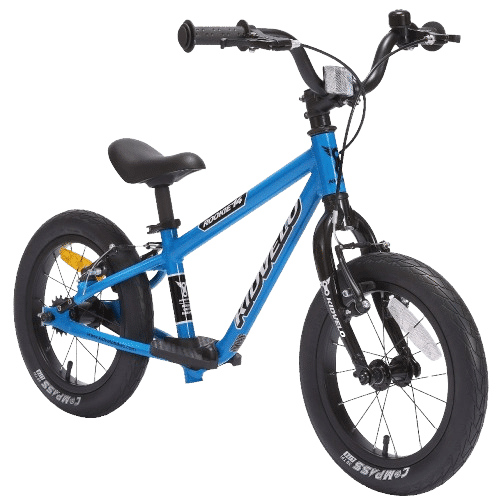
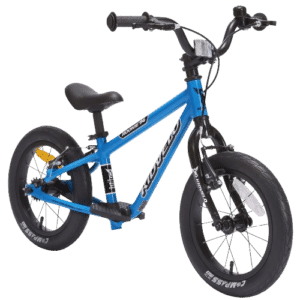
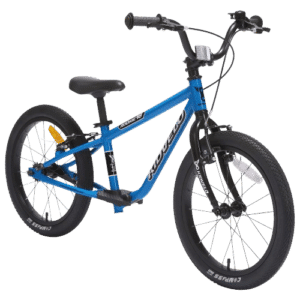
Blue balance bikes have become increasingly popular among parents looking for a safe and effective way to introduce their children to cycling. These pedal-less bikes, painted in various shades of blue, are designed to help young children develop balance and coordination skills before transitioning to traditional bicycles.
Unlike training wheels, which can create a false sense of security, blue balance bikes allow children to learn the fundamentals of balancing on two wheels naturally. By pushing themselves along with their feet, kids can gradually build confidence and master the art of staying upright on a bike.
Benefits of Blue Balance Bikes
- Improved Balance and Coordination: Blue balance bikes help children develop their sense of balance and coordination at an early age.
- Safety: Without pedals or chains, these bikes reduce the risk of injuries associated with traditional bicycles.
- Confidence Building: As children master balancing, they gain confidence in their abilities.
- Easy Transition: Kids who start with balance bikes often find it easier to transition to pedal bikes later on.
- Fun Exercise: Riding a blue balance bike is an enjoyable way for children to stay active and healthy.
- Suitable for Various Ages: Many blue balance bikes are adjustable, accommodating children from 18 months to 5 years old.
Choosing the Right Blue Balance Bike
When selecting a blue balance bike for your child, consider the following factors:
Size and Adjustability
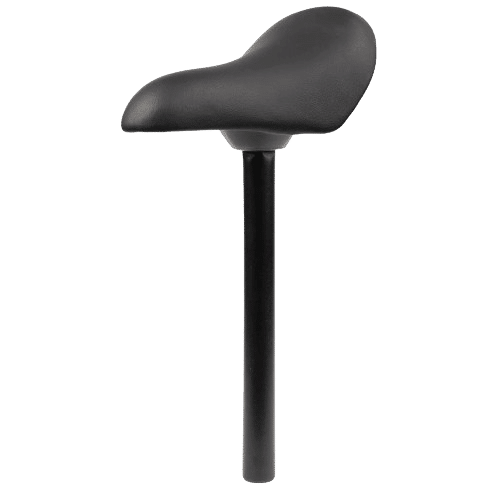
Ensure the bike’s seat height can be adjusted to suit your child’s growth. The ideal seat height should allow your child to touch the ground comfortably with both feet while seated.
Weight
Look for a lightweight blue balance bike that your child can easily maneuver. Generally, the bike should weigh no more than 30% of your child’s body weight.
Frame Material
Blue balance bikes are typically made from wood, metal, or composite materials. Each has its pros and cons:
- Wooden Blue Balance Bikes: Environmentally friendly and aesthetically pleasing, but may not be as durable in wet conditions.
- Metal Blue Balance Bikes: Durable and long-lasting, but potentially heavier than other options.
- Composite Blue Balance Bikes: Lightweight and weather-resistant, but may be more expensive.
Tyres
Consider the type of terrain your child will be riding on:
- Foam Tyres: Lightweight and puncture-proof, ideal for indoor use or smooth surfaces.
- Air-Filled Tyres: Provide better traction and shock absorption for outdoor use.
Brakes
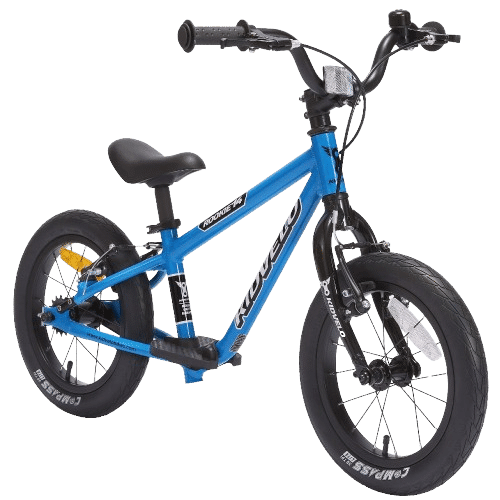
While not essential for very young riders, some blue balance bikes come with hand brakes, which can be useful as children grow and become more adventurous.
Maintaining Your Blue Balance Bike
To ensure your child’s blue balance bike stays in top condition, follow these maintenance tips:
- Regular Cleaning: Wipe down the bike with a damp cloth after each use, especially if it’s been ridden in muddy or dusty conditions.
- Tyre Maintenance: Check tyre pressure regularly if the bike has air-filled tyres. For foam tires, inspect for wear and tear.
- Bolt Tightening: Periodically check and tighten any loose bolts or screws.
- Lubrication: Apply a small amount of bicycle-specific lubricant to moving parts like the headset and wheel bearings.
- Storage: Store the blue balance bike in a dry place to prevent rust and deterioration.
Safety Tips for Balance Bike Riders
Ensure your child’s safety while riding their blue balance bike with these tips:
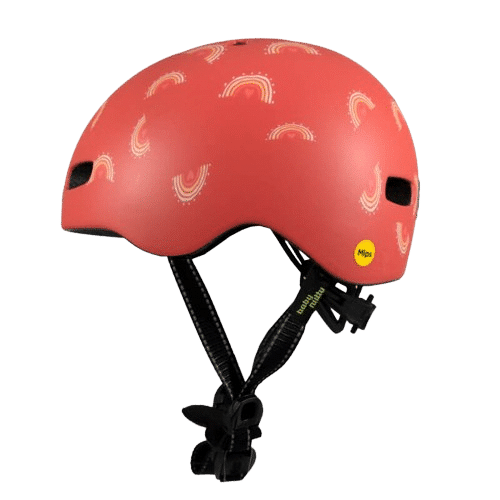
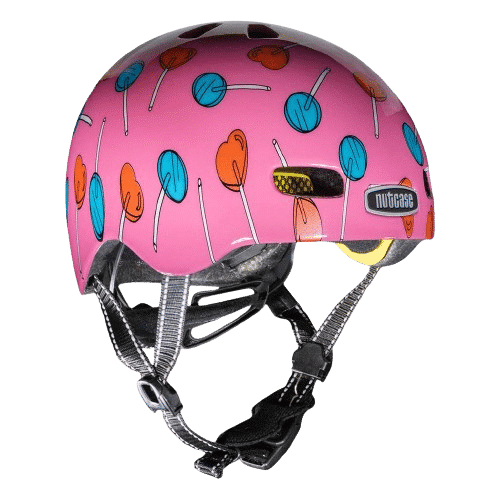
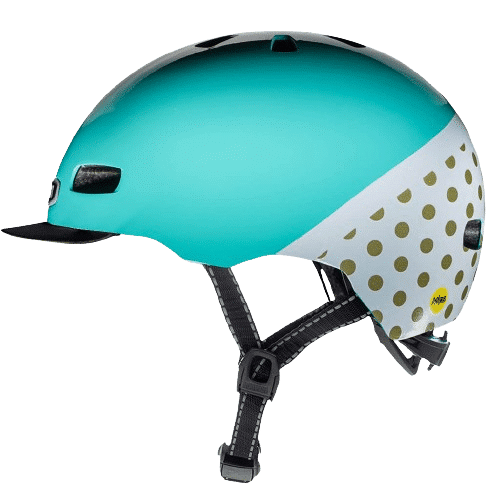
- Wear a Helmet: Always insist on helmet use, even for short rides.
- Proper Clothing: Dress your child in closed-toe shoes and avoid loose clothing that could get caught in the wheels.
- Supervise: Always supervise your child when they’re riding, especially in the beginning stages.
- Choose Safe Riding Areas: Start in traffic-free areas like parks or quiet cul-de-sacs.
- Teach Basic Rules: Introduce simple traffic rules and signals as your child progresses.
Transitioning from Balance Bikes to Pedal Bikes
When your child has mastered their blue balance bike, they’ll likely be ready to transition to a pedal bike. Here’s how to make the switch smoothly:
- Timing: Most children are ready to transition between ages 3 and 5, but it varies depending on individual development.
- Choose the Right Size: Select a pedal bike that allows your child to touch the ground with both feet while seated.
- Skip the Training Wheels: Thanks to their balance bike experience, many children can transition directly to a pedal bike without training wheels.
- Practice in Safe Areas: Start in open, flat areas free from traffic and obstacles.
- Encourage and Support: Offer plenty of encouragement and be prepared to provide physical support as your child learns to pedal.
- Focus on Pedaling: Since balancing is already mastered, concentrate on teaching the pedaling motion.
Conclusion
Blue balance bikes offer an excellent introduction to cycling for young children. By focusing on balance and coordination, these bikes prepare kids for a smooth transition to pedal bikes while providing a fun and safe way to stay active. When choosing a blue balance bike, consider factors like size, weight, and materials to find the perfect fit for your child. With proper maintenance and safety precautions, a blue balance bike can provide years of enjoyment and valuable skill development for your little one.
Remember, every child develops at their own pace, so be patient and supportive throughout their balance bike journey. Before you know it, they’ll be zipping around on two wheels with confidence and joy!
Learn more about the benefits of balance bikes for child development