Shop Helmet Type Online

Explore the world of helmet types to find the perfect fit for your safety needs across cycling, skateboarding,, rollerblading, and more.

Loved by Hundreds of Happy Parents and Grandparents!

Categories

Helmet Type

CT Filter
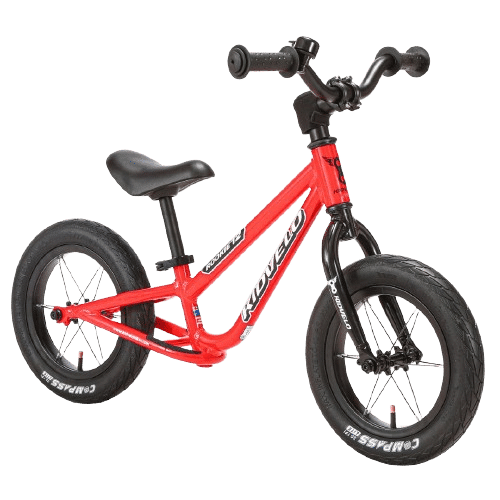
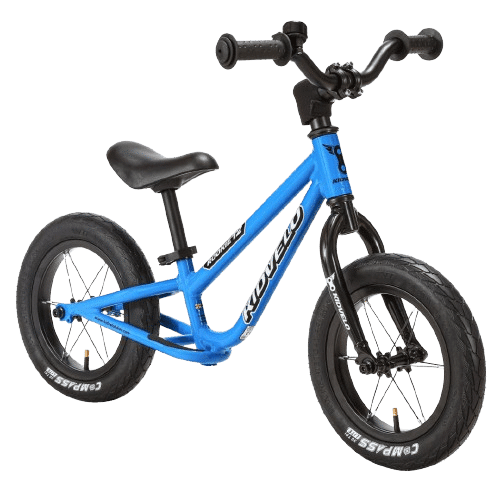
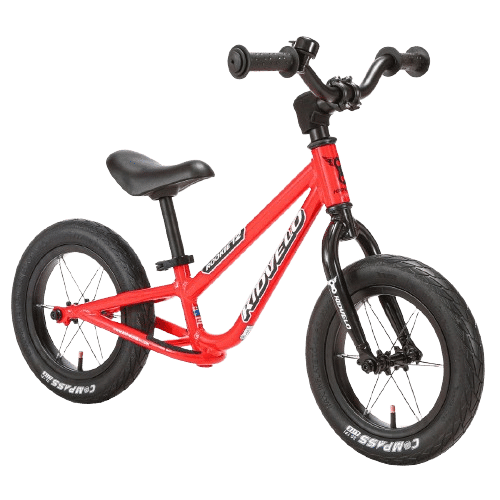
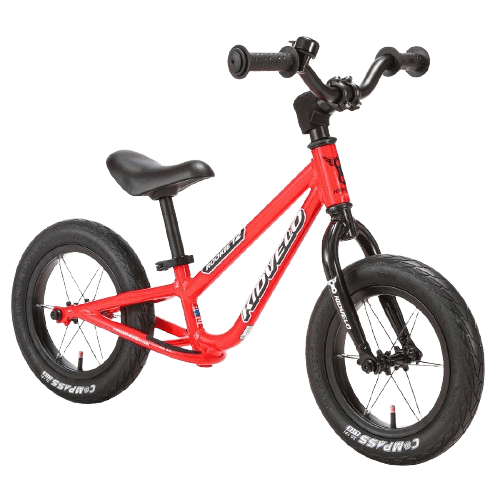
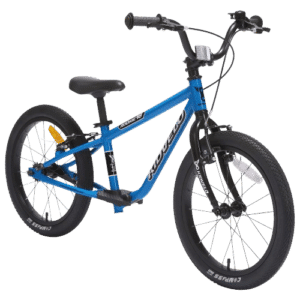
Rookie 12 Inch Balance Bike
Triple 8 Lil 8 Certified Youth Helmet
Triple 8 Lil 8 Youth Helmet White Gloss
(0) Customer reviews
$99.95
Rookie 12 Inch Balance Bike
Triple 8 Lil 8 Youth Helmet Blue Gloss
(0) Customer reviews
$99.95
Rookie 12 Inch Balance Bike
Triple 8 Lil 8 Youth Helmet Neon Pink Rubber
(0) Customer reviews
$99.95
Rookie 12 Inch Balance Bike
Triple 8 Lil 8 Certified Youth Helmet
Triple 8 Lil 8 Youth Helmet Neon Green Gloss
(0) Customer reviews
$99.95
Rookie 12 Inch Balance Bike
Triple 8 Lil 8 Certified Youth Staab Helmet Neon Blue Rubber
(0) Customer reviews
$109.95
Rookie 12 Inch Balance Bike
Multi-Sport Helmets For Bike & Skate Riders
Triple 8 Lil 8 Certified Youth Staab Helmet Neon Pink Rubber
(0) Customer reviews
$109.95
Rookie 12 Inch Balance Bike
Triple 8 Lil 8 Youth Helmet Black Rubber
(0) Customer reviews
$99.95
Rookie 12 Inch Balance Bike
Triple 8 THE Certified Helmet
Triple 8 Wipeout Dry Erase Youth Helmet Black
(0) Customer reviews
$69.95
Rookie 12 Inch Balance Bike
Triple 8 Wipeout Dry Erase Youth Helmet
Triple 8 Wipeout Dry Erase Youth Helmet Neon Pink
(0) Customer reviews
$69.95
Rookie 12 Inch Balance Bike
Triple 8 Wipeout Dry Erase Youth Helmet
Triple 8 Wipeout Dry Erase Youth Helmet Teal
(0) Customer reviews
$69.95
Sale!
Rookie 12 Inch Balance Bike
Multi-Sport Helmets for Adults
Triple 8 THE Certified Helmet SS Shaved Ice
(0) Customer reviews
Price range: $89.95 through $119.95
Sale!
Rookie 12 Inch Balance Bike
Kidvelo Certified Helmet
Triple 8 THE Certified Helmet SS Teal Hologram
(0) Customer reviews
Original price was: $119.95.Current price is: $89.95.

Most Popular Product Types

Inspiration

Frequently Asked Questions of Helmet Type

To find the perfect size, you need to measure your child’s head circumference just above the eyebrows. This measurement will correspond to the size chart for each helmet model. Always try the helmet on to ensure a snug fit that doesn’t move when they shake their head.
The key difference is coverage and features. Road helmets prioritize aerodynamics and ventilation, making them super lightweight for speed. Mountain bike helmets, or MTB helmets, offer more comprehensive coverage at the back and sides and typically include a visor to protect you from sun and trail debris.
Yes, absolutely. A MIPS helmet provides an extra layer of protection against rotational forces during an angled impact. While no helmet can guarantee 100% safety, MIPS significantly reduces the risk of certain types of brain injuries, making it a worthwhile investment in your safety.
You should replace your helmet immediately after any crash or significant impact, even if it looks fine. The internal foam may be compromised and won’t protect you in a second impact. You should also replace your helmet every 3-5 years, as the materials can degrade over time from sun exposure and everyday wear.
Yes, a well-fitting kids’ bike helmet is perfect for a toddler on a balance bike. Focus on finding one that fits snugly, is lightweight, and is comfortable for them to wear. Look for an adjustable fit system to ensure it grows with them for a few years.
Not necessarily. All helmets sold in Australia must meet the same strict safety standards. However, more expensive helmets often include advanced safety features like MIPS, superior ventilation, a better fit system, and lighter materials, which can all enhance comfort and performance.
First, place the helmet level on your head, ensuring it doesn’t tilt forward or backward. Next, tighten the retention dial at the back until the fit is snug but not too tight. Finally, adjust the side straps to form a “V” shape just below the ears and buckle the chin strap so that you can fit no more than two fingers between the strap and your chin.
Yes, all the helmets in our store meet and exceed the AS/NZS 2063:2008 standard, ensuring they provide the highest level of protection as required by Australian law. Your safety is our number one priority.

The Ultimate Guide to Helmet Types: How to Choose the Right Helmet for Your Ride

Choosing the right bike helmet is more than just picking a color you like. It’s a critical decision for your safety, comfort, and performance on the road or trail. With so many different helmet types on the market, each designed for a specific purpose, it can be tough to know where to start. This guide will break down the various helmet types available, highlighting their unique features to help you find the perfect fit for your cycling style.

From lightweight road cycling helmets to robust full-face mountain biking helmets, understanding the differences is the first step toward a safer and more enjoyable ride. We’ll dive into the key features that matter, including ventilation, aerodynamics, protection, and fit, ensuring you make an informed choice that’s right for you.

1. Road Cycling Helmets: The Pursuit of Speed and Ventilation

Road helmets are the most common type of cycling helmet and are instantly recognisable by their sleek, streamlined design. The primary focus of a road cycling helmet is to provide maximum ventilation and be as lightweight as possible. Their distinctive multiple vents are strategically placed to channel air over your head, keeping you cool during long, hot rides and high-intensity climbs.

Key Features:

  • Lightweight: Designed to be as light as possible to reduce rider fatigue, especially on long rides.
  • Aerodynamics: While highly ventilated, many modern road helmets are also engineered with an aerodynamic profile to reduce drag and help you ride faster.
  • Minimalist Design: Typically lack visors to maintain an unobstructed view and a streamlined look.

Road helmets are the go-to choice for road cyclists, triathletes, and anyone focused on fitness and performance.

2. Mountain Bike (MTB) Helmets: Rugged Protection for the Trail

Mountain biking presents a different set of challenges, and your helmet needs to be up to the task. Mountain bike helmets, often referred to as MTB helmets, are designed to offer more robust protection than their road-going counterparts. They feature a more rounded, full-coverage design, often extending lower at the back of the head and over the temples to protect against impacts from all angles.

Key Features:

  • Increased Coverage: Provides enhanced protection for the back and sides of the head.
  • Visor: Almost always includes a front visor to shield your eyes from sun, rain, and low-hanging branches.
  • Rugged Construction: Built to withstand the unique impacts of off-road riding, such as hitting trees or rocks.

Within the MTB category, you’ll find specialized types like trail helmets and enduro helmets, which offer a great balance of protection and breathability, while downhill and freeride riders often opt for full-face helmets for maximum protection.

3. Commuter and Urban Helmets: Style, Convenience, and Safety

For the daily rider, a commuter helmet strikes a perfect balance between everyday practicality and safety. These helmets often have a more stylish, compact aesthetic and may feature added convenience features that a casual rider will appreciate.

Key Features:

  • Integrated Lights: Many urban helmets come with built-in LED lights at the back for enhanced visibility in low-light conditions.
  • Ventilation: They typically have fewer but larger vents for a cleaner look and simple cooling, perfect for city riding.
  • Versatile Design: Some models include features like integrated visors or brim designs to protect from sun and rain.

Commuter helmets are the ideal choice for city riders, e-bike riders, and anyone who uses their bike for daily transportation.

4. Full-Face Helmets: Maximum Protection for High-Risk Riding

For the most extreme forms of cycling, such as downhill mountain biking, BMX racing, or dirt jumping, a full-face helmet is non-negotiable. These helmets offer the highest level of protection, covering not just your head but also your face and jaw. They are similar in design to a motocross helmet, but lighter and with more ventilation.

Key Features:

  • Complete Coverage: Provides 360-degree protection for the head, face, and chin.
  • High-Impact Resistance: Constructed with a rugged outer shell and dense foam to absorb massive impacts.
  • Integrated Visor: A large, non-removable visor shields against debris and impact.

5. Kids’ Helmets: A Focus on Fun, Fit, and Safety

A kids’ bike helmet is designed with specific considerations for younger riders. The most important factors are a perfect fit, a fun design, and uncompromising safety.

Key Features:

  • Child-Specific Sizing: Sized for smaller heads, often with a wider range of adjustability to grow with the child.
  • Fun Designs: Often come in bright colors, with decals or popular characters to encourage kids to wear them.
  • Simplicity: Designed for easy on-and-off, often with simple buckle systems that little hands can manage.

For toddlers, a toddler helmet with a flattened back is a great choice for use in a bike seat or trailer, as it allows them to rest their head comfortably without pushing it forward.

What is MIPS? The Gold Standard in Helmet Safety

No matter which helmet type you choose, keep an eye out for MIPS technology. MIPS stands for Multi-directional Impact Protection System. It’s a low-friction layer inside the helmet that allows the helmet to slide relative to the head during a crash. This helps to reduce the rotational forces that can cause severe head and brain injuries. A MIPS helmet is a premium option and is widely considered the gold standard for enhanced safety.

Read More >

JOIN THE KIDVELO COMMUNITY TO GET $10 OFF CODE BELOW!