
Shop Baby Bicycle Helmets Online
The Best Baby Bike Helmets for Safety, Comfort & Style for your Little Rider.
Loved by Hundreds of Happy Parents and Grandparents!
The Best Baby Bike Helmets for Safety, Comfort & Style for your Little Rider.


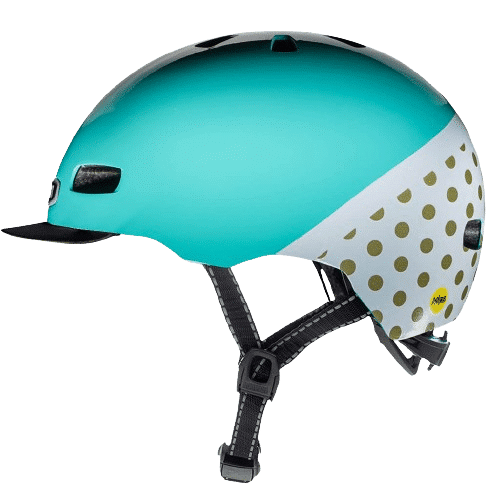
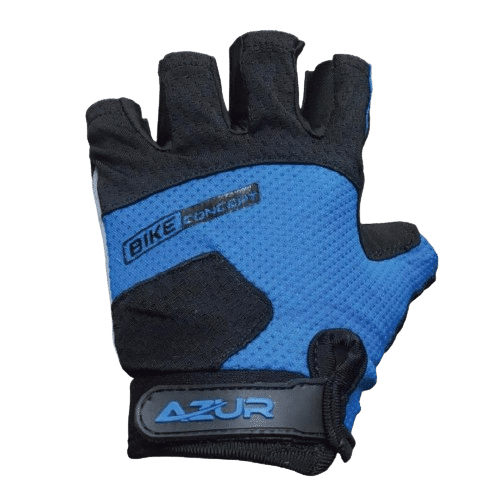
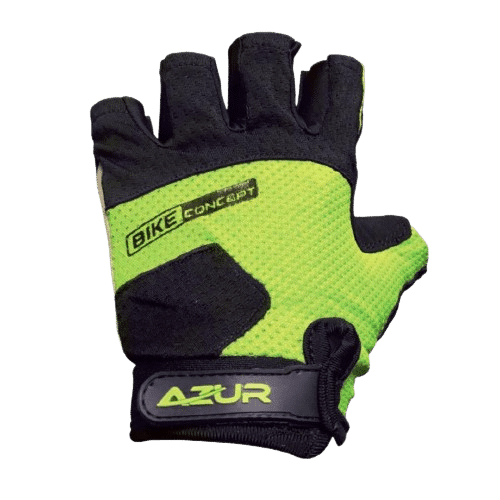
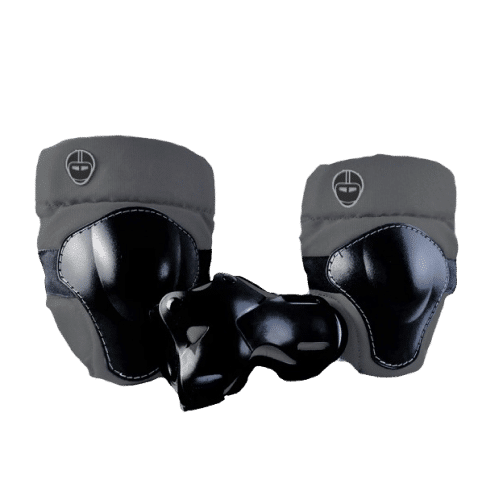
The excitement of taking your baby on their first bike ride is a memory to cherish. The gentle breeze, the shared joy, and the feeling of adventure are truly special. But before you set off, a crucial piece of gear must be in place: the baby bicycle helmet.
While it might seem like a simple accessory, a helmet for an infant or young toddler is a highly specialized piece of equipment. It’s not just a smaller version of an adult helmet; it’s designed to meet the unique needs of a baby’s developing skull and neck. This guide will walk you through everything you need to know, from the essential safety features to how to find the perfect fit, ensuring your little one is protected and comfortable on every ride.
We’ll cover why a standard helmet just won’t do, what to look for when you’re ready to buy, and answer the most common questions parents have about this important topic. By the end of this guide, you’ll feel confident in your choice and ready to hit the road with your most precious cargo.
A baby’s head, neck, and skull are fundamentally different from an adult’s. A baby’s skull is still growing and consists of soft, pliable bones and un-fused plates. Their neck muscles are also not fully developed, making them more vulnerable to the strain of a heavy helmet.
Standard helmets are built for adult heads, with a weight and shape that a baby’s neck simply isn’t ready to support. A helmet that is too heavy or bulky can cause discomfort, fatigue, and in a worst-case scenario, create a risk of injury from positional asphyxia if the head is pushed forward. A dedicated baby helmet accounts for these critical differences, providing protection without compromising a baby’s fragile development.
Choosing the right helmet goes beyond a cute design. Here are the essential features to look for to ensure maximum safety and comfort.
1. Flat or Recessed Back: This is arguably the most important feature. Helmets for toddlers and older children are often pointed or rounded at the back. For a baby sitting in a bike seat or trailer, a flat or recessed back prevents the helmet from pushing their head forward. This design allows their head to rest comfortably against the seat’s backrest, keeping their spine aligned and their head in a safe position.
2. Lightweight Design: A baby’s neck muscles are still developing. An excessively heavy helmet can cause strain and fatigue. Look for a helmet that is specifically labelled as “lightweight” to minimize the load on your baby’s neck. A lighter helmet is also more comfortable, which makes a big difference in convincing a baby to keep it on.
3. Superior Ventilation: Babies and young children can get hot very quickly, especially on a bike ride in the sun. A good baby helmet should have large, well-placed vents to promote excellent airflow. This keeps your baby’s head cool and prevents excessive sweating, which can lead to discomfort and fussiness.
4. Adjustable Fit System: A helmet that doesn’t fit properly is a helmet that doesn’t provide adequate protection. Look for helmets with an easy-to-use adjustable fit system, such as a dial at the back. This allows you to get a snug and secure fit that accommodates your child’s head as they grow. The chin straps should also be adjustable to form a “V” shape just below the ears.
5. Secure and Pinch-Free Buckle: A common complaint from parents is the dreaded chin strap pinch. Many modern baby helmets come with a special buckle design or a soft chin guard to prevent this. A magnetic or quick-release buckle is a great feature that makes it easier to get the helmet on and off without a fuss.
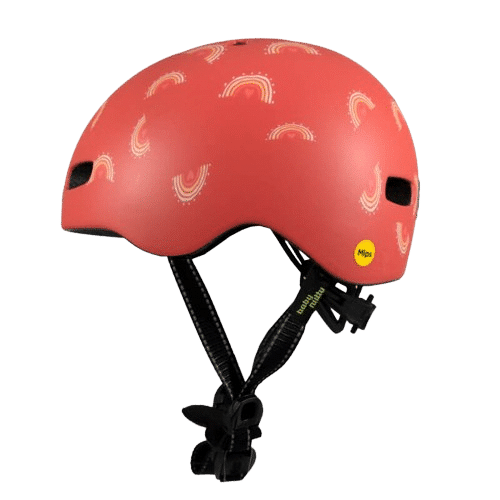
6. MIPS Technology: MIPS (Multi-directional Impact Protection System) is an additional safety feature that is becoming more common in baby and kids’ helmets. It is a low-friction layer inside the helmet that allows the outer shell to slide relative to the head during an angled impact. This can help to reduce rotational forces that can cause severe head and brain injuries. While not mandatory, it is a highly recommended feature for an extra layer of protection.
A helmet is only as safe as its fit. A helmet that is too big can shift during a fall, leaving crucial areas unprotected. One that is too tight can be uncomfortable and cause a baby to resist wearing it.
In Australia, it is a legal requirement for anyone riding a bicycle, including children in a bike seat or trailer, to wear an approved helmet. All bicycle helmets sold in Australia must comply with the mandatory safety standard AS/NZS 2063. When shopping, always look for the AS/NZS 2063 mark on the helmet’s packaging or an inner sticker to ensure it meets the standard. This mark guarantees that the helmet has been rigorously tested for impact absorption, retention system strength, and coverage.


